
Over the past two quarters (Q1 2008 to Q2 2008) US broadband penetration among the general population dropped from 17th to 19th overall among all countries surveyed worldwide. As of the second quarter of 2008, Monaco leads all countries surveyed with 40.63% of the population on broadband and 100% of households (see Figures 1 & 2), according to Point Topic.
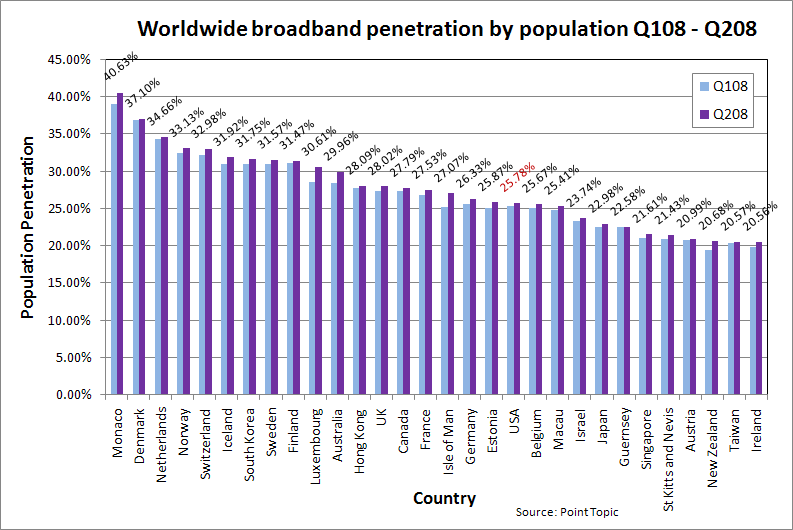
Figure 1: Worldwide broadband penetration by population Q1 2008 through Q2 2008
Source: Point Topic
Worldwide Broadband Penetration Rankings
Denmark followed Monaco with 37.1% of the population on broadband. Netherlands came in third at 34.66%, followed by Norway at 33.13%, Switzerland at 32.98%, Iceland at 31.92%, South Korea at 31.75%, Sweden at 31.57%, Finland at 31.47%, and Luxembourg at 30.61% rounding out the top ten (see Table 1 and Figure 1).
Monaco39.06%40.63%Denmark36.98%37.10%Netherlands34.34%34.66%Norway32.57%33.13%Switzerland32.19%32.98%Iceland30.97%31.92%South Korea31.00%31.75%Sweden31.03%31.57%Finland31.17%31.47%Luxembourg28.61%30.61%
| Country | Q1 2008 | Q2 2008 |
|---|
Worldwide Household Broadband Penetration by Country
Ranked by household penetration, the spread of broadband looks more rosy. Monaco again leads all countries surveyed with 100% of households on broadband, followed by South Korea at 97.17%, Singapore at 89.65%, Macau at 87.24%, Hong Kong at 86.91%, Israel at 80.69%, Denmark at 80.31%, Netherlands at 80.24%, Iceland at 80.21% and Switzerland at 79.84% of households on broadband. Over the past year, the US moved up one place from 19th at 57.82% in Q2 2008 to 18th place at 67.14% in Q2 2008, just ahead of the UK at 66.6% of households on broadband.
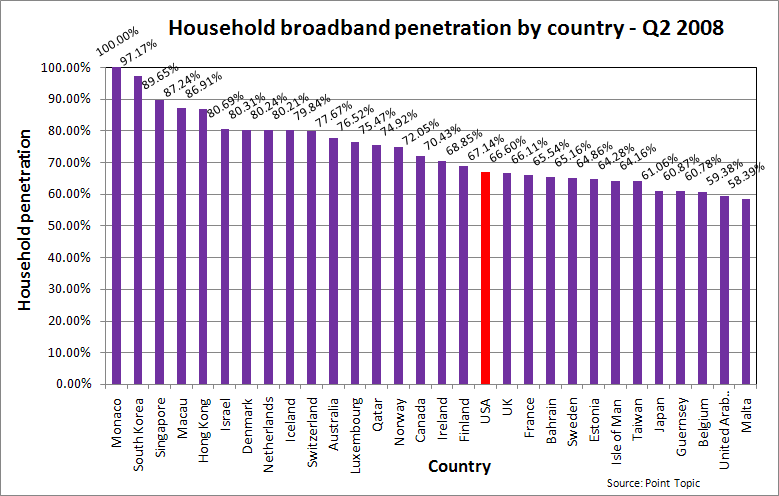
Figure 2: Worldwide broadband penetration by household Q2 2008
Source: Point Topic
| Country Q208 | Household penetration Q208 |
|---|---|
| Monaco | 100.00% |
| South Korea | 97.17% |
| Singapore | 89.65% |
| Macau | 87.24% |
| Hong Kong | 86.91% |
| Israel | 80.69% |
| Denmark | 80.31% |
| Netherlands | 80.24% |
| Iceland | 80.21% |
| Switzerland | 79.84% |
Home Connectivity in the US
US broadband penetration grew to 91.54% in August 2008. Dial-up users connecting at 56Kbps or less now make up 8.46% of active Internet users,
down 0.78 percentage points from 9.24% in July 2008 (see Figure 3).
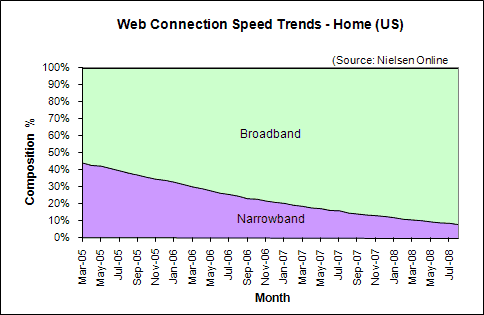
Figure 3: Web Connection Speed Trends – Home Users (US)
Source: Nielsen Online
Broadband Growth Trends in the US
In August 2008, broadband penetration among active Internet users in US homes grew by 0.78 percentage points to 91.54%, up from 90.76% in July. This increase of 0.78 points is above the average increase in broadband of 0.55 points per month over the last six months (see Figure 4).
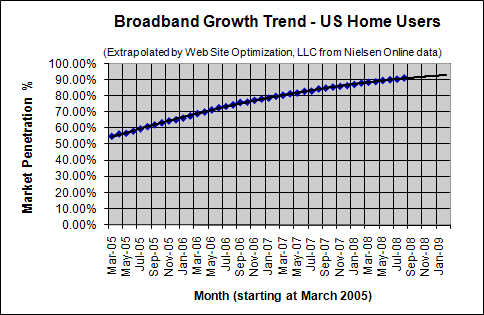
Figure 4. Broadband Adoption Growth Trend – Home Users (US)
Extrapolated from Nielsen Online data
Work Connectivity
As of August 2008, 96.81% of US workers connected to the Internet with broadband, up 0.3 percentage points from the 96.51% share in July. At work, 3.19% connect at 56Kbps or less (see Figure 5).
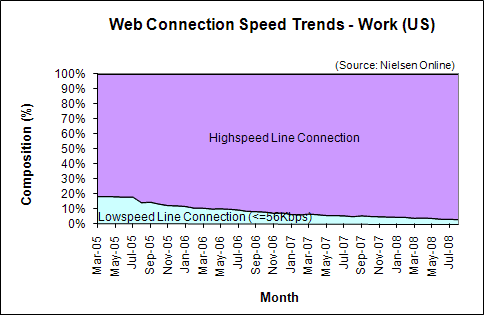
Figure 5: Web Connection Speed Trends – Work Users (US)
Source: Nielsen Online
Further Reading
- Nielsen Online
- Provided the US broadband penetration data for active Internet users for the Bandwidth Report.
- Point Topic
- Provided the worldwide broadband penetration data by household and population.